In recent conversations and on various blog posts, I have noticed an increase in the discussion of
artificial bird feeding and
backyard bird feeding.
I enjoy feeding birds and watching them come to the feeders, especially during the winter months. I have always felt I was giving them a leg up during these challenging cold months, when there is less food available for those who stay year round.
Or am I?
So, I decided to explore the topic to see what the research shows.
From the
Bird Watcher's Digest article, "Does Bird Feeding Affect Bird Behavior", here are some key points summarized:
a. Raptors use bird feeders as personal feeding stations. They may do "short-stopping" rather than carry out their full migration if there is "an abundance of prey at bird feeders".
We often have a cooper's hawk that frequents the feeder area.
b. Bird feeders have increased the northern expansion of northern cardinals, tufted titmice, mourning doves and others.
I can attest to this - we have a thriving population of all of these species in the winter.
c. Several scientific studies have shown that there are "nutritional and reproductive benefits for bluejays, black-capped chickadees and tufted-titmice" that breed in the area of the bird feeders.
d. In general, birds do NOT need the extra food, but it serves as a "fast-food" outlet in times of food shortages.
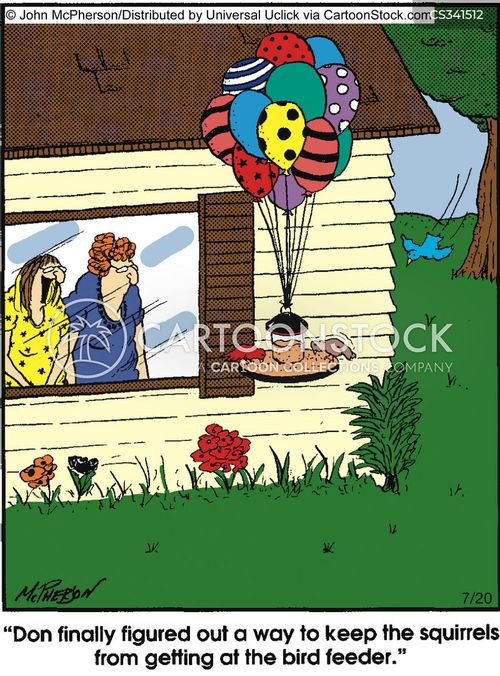
e. It does increase the local squirrel populations, unless action is taken to discourage them, such as using a squirrel proof feeder, as shown here:
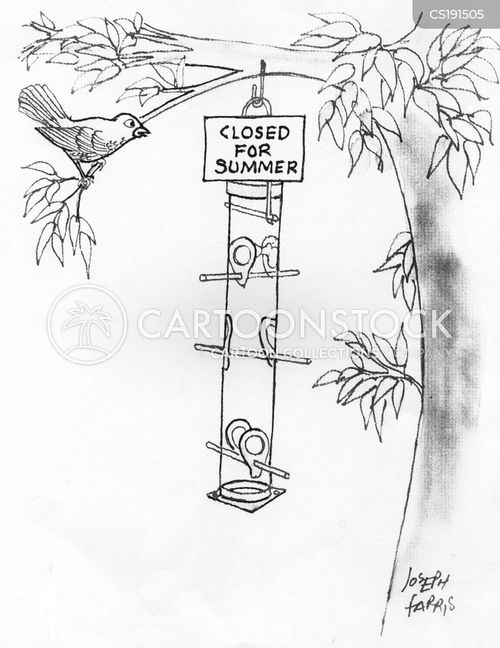
or this
f. Increased disease transfer is possible, if the feeders are not kept clean. It is noted, though, that birds do often feed in mixed-species flocks anyways.
g. If you decide to feed, you must be consistent, as birds come to depend on it and change their feeding habits, especially during storms and other critical times.
To read the complete story, see:
http://www.birdwatchersdigest.com/bwdsite/learn/feeding/does-feeding-affect-behavior.php
According to the article, "Artificial Bird Feeding: What we don't know", studies conducted in the UK regarding artificial feeding, have found that Great and Blue Tits lay their eggs earlier and have a shortened incubation period. Surprisingly, they may also have smaller clutches and lower hatching success.
Also, artificial feeding may cause evolutionary changes, as seen with the Black Caps in the UK, splitting up into a new species, with one migrating normally and the other migrating only a short distance. A positive outcome for those birds, who overwinter, is being closer to their breeding grounds. (
http://www.metrofieldguide.com/artificial-bird-feeding-what-we-dont-know/)
In conclusion, in trying to find a middle ground, I think, feeding during the hardest winter months
of January through March would be beneficial for our local birds.